14 May 2026

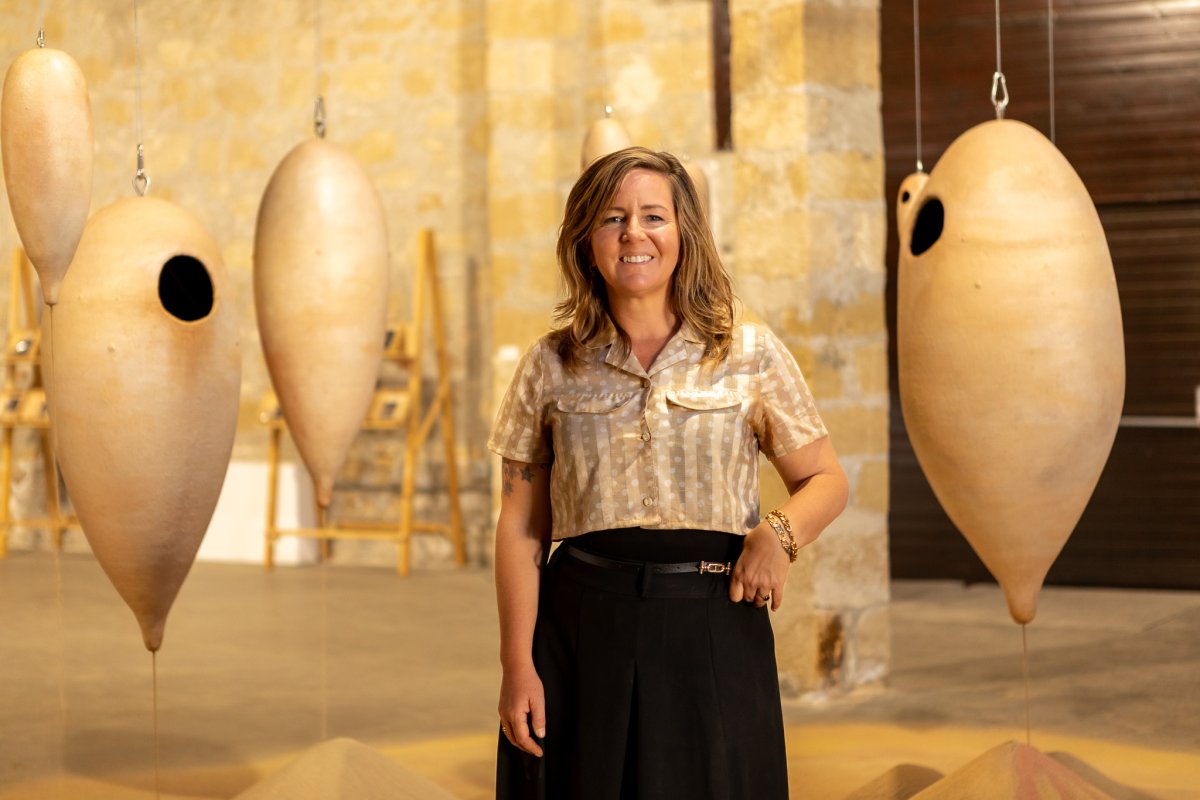
What first drew you to pursue a creative path, and what continues to inspire and sustain your practice today?
For me, pursuing a creative life was never really negotiable. It was never a question of whether I would become an artist, only which forms and methodologies the practice would move through. Over time this has expanded across painting, sculpture, installation, performance, participatory practice and socially engaged work.
What continues to sustain my practice is the possibility of creating environments where people can encounter themselves differently in relation to space, time and the world around them. I’m interested in immersive works that slow perception down and create conditions for reflection, collective presence and embodied experience rather than fixed interpretation. Increasingly, I think of installation as a living spatial system: something that unfolds through atmosphere, interaction and duration rather than existing as a static object.
Living between Aotearoa New Zealand and here on Bundjalung Country, NSW has deeply shaped my understanding of landscape, interconnectedness and environmental instability. My practice explores the relationship between ecological systems, psychological space and material transformation and how environments shape us emotionally, socially and physically. I’m interested in how art can create spaces to collectively process uncertainty, adaptation and change.
Alongside my studio practice, I work as an art therapist within youth mental health and community contexts, including projects across Australia, Timor-Leste and India. This continues to inform the relational and human-centred dimensions of the work and reinforces my belief in the capacity of creative practice to foster connection, reflection and new ways of understanding ourselves within larger systems of interdependence.
It was never a question of whether I would become an artist, only which forms and methodologies the practice would move through.
Your work spans installation, sculpture, painting and participatory practice. Which mediums or approaches do you feel most aligned with, and what ideas or themes are you consistently exploring?
Installation is the field where I feel all aspects of my practice converge. It allows sculpture, painting, movement, sound and participation to exist simultaneously within a shared environment. I’m interested in how bodies, environments and systems interact over time and how meaning emerges through encounter rather than fixed narrative.
A recurring concern throughout my practice is impermanence, transformation and relationality. Many of the works evolve slowly through shifting conditions, accumulation and subtle environmental changes. I often work with processes that allow the installations to remain responsive and unstable rather than fixed.
Thematically, I continue returning to environmental instability, psychological response, cosmology and the relationship between human and non-human systems. Biomimicry has also been a major influence, particularly observing how natural structures adapt and self-organise.
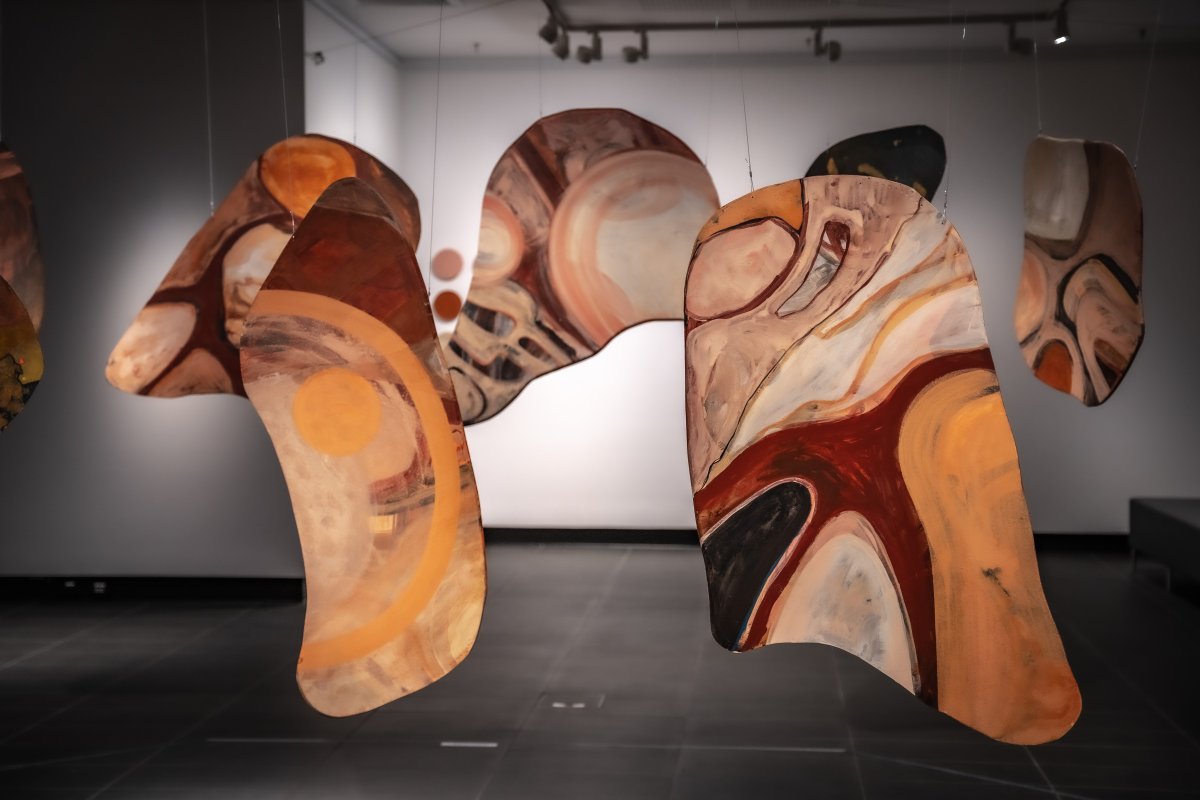
Across each body of work I move between mediums depending on what the concept requires. Sometimes the work takes the form of large-scale installation, other times suspended painting, sculptural systems, participatory projects or socially engaged processes. The medium is never the starting point; it is the conceptual framework and embodied experience that drives the form.
A huge part of the process is problem solving: how the work travels, adapts across sites and physically operates within space.
Can you walk us through how a new work begins for you, from initial concept through to material exploration and development?
Most projects begin through drawing, writing and collecting fragments of ideas over long periods of time. I carry sketchbooks everywhere and my studio walls are usually covered in diagrams and evolving visual maps. At the same time, I work very responsively, so an invitation, exhibition or site often becomes the catalyst that pushes an idea into form. Deadlines and frameworks are very motivating for me, I work well under pressure and within clear parameters.
I tend to work in long-form series rather than isolated works. The Relative Terrains series unfolded over nearly five years across Australia, the USA, Venice, Cyprus and China, while Imagine the Land Project evolved over almost a decade mainly between New Zealand and Australia before culminating at the MACRO ASILO, Contemporary Art Gallery of Rome. My works tend to continue adapting through iterations rather than arriving at a final fixed state.
The process itself is highly intuitive and research-led. I’m interested in different ways of knowing, through direct experience, observation, making, material experimentation and embodied engagement. Often ideas emerge through being physically present within a site and responding to its atmosphere, history, architecture or environmental conditions.
Large-scale installation also involves constant negotiation between conceptual ambition and logistics. A huge part of the process is problem solving: how the work travels, adapts across sites and physically operates within space. The final installation period is usually where the project fully reveals itself.
Your installations often evolve through direct engagement with environmental systems, site conditions and collective interaction. How do these relationships shape the development of the work?
I think of materials and environmental systems as collaborators rather than passive elements. I’m interested in allowing gravity, accumulation, erosion and time to actively shape the work rather than trying to fully control the outcome.
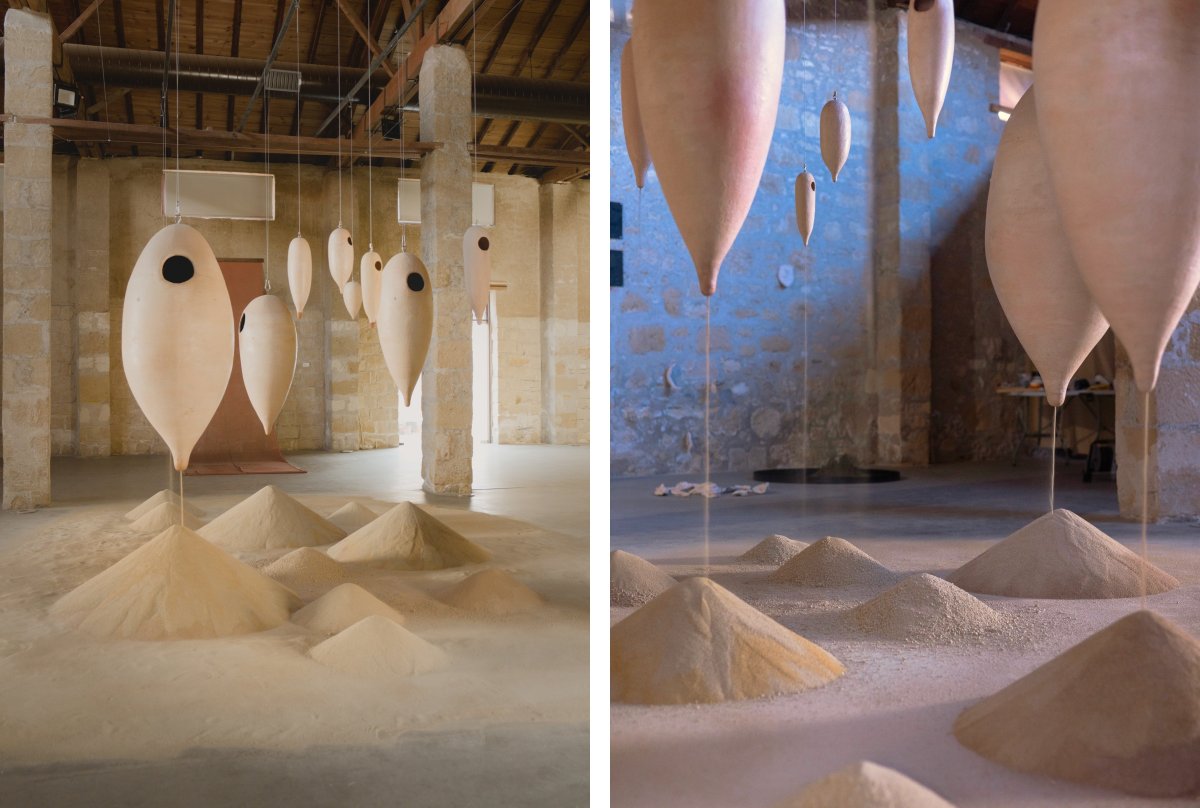
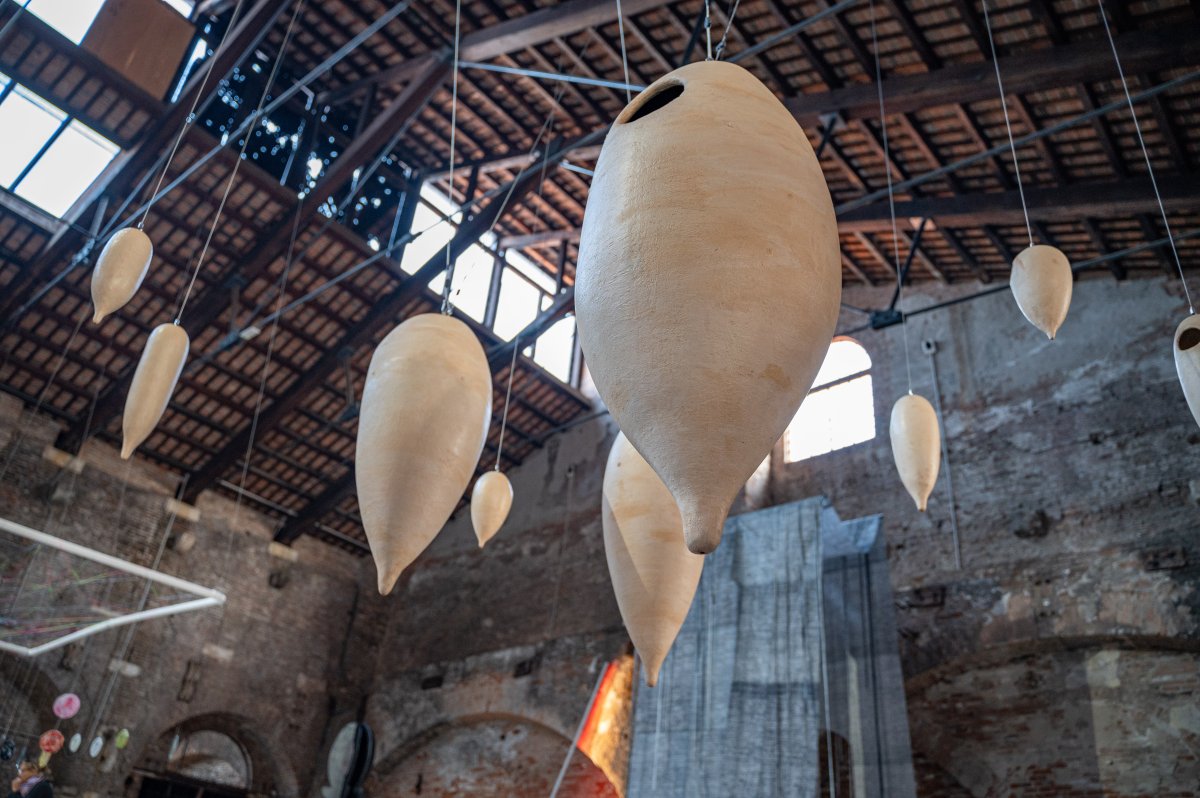
Site-responsiveness is central to this approach. In Cyprus, for example, the work shifted in response to the limestone environment of Larnaca, while in Venice the industrial scale and spatial tension of the Arsenale strongly informed the installation’s formal language.
Participation is also part of this ecology. Communities sometimes contribute through collaborative making processes or site engagement, allowing meaning to emerge collectively through interaction and encounter.
Ultimately, the work is less about representing nature from a distance and more about recognising that we are already entangled within these systems environmentally, psychologically and socially. Ideas drawn from deep ecology and interdependence continue to underpin much of my practice.
Very early on, after leaving art school, I received advice that stayed with me deeply; to go as far away from home and my comfort zone as possible. That idea of entering unfamiliar territory became incredibly important to me creatively.
Your work has gained significant international recognition in recent years, including major biennales and exhibitions across Europe, Asia and the US. What factors do you feel have contributed to this momentum, and how have you approached these opportunities as they’ve emerged?
I think a lot of the momentum has come through persistence, openness to risk and continually placing the work into larger international conversations. There’s been no singular breakthrough moment. It has been years of making ambitious work under difficult conditions, building relationships, applying for opportunities and continuing to expand the scale and depth of the practice.
Very early on, after leaving art school, I met the late Australian artist Vali Myers and she gave me advice that stayed with me deeply. She told me to go as far away from home and my comfort zone as possible. That idea of entering unfamiliar territory became incredibly important to me creatively.
Working internationally has expanded my practice enormously through dialogue with curators, artists and audiences from very different cultural contexts. During my recent residency at Cittadellarte – Fondazione Pistoletto, the interdisciplinary research centre founded by Michelangelo Pistoletto, I developed works exploring interconnectedness, care and collective responsibility. Since 2012, I have also been involved with Pistoletto’s Third Paradise movement, an international initiative exploring the relationship between humanity, nature and social transformation, which has significantly expanded the social and philosophical dimensions of my work.
Another major milestone was the acquisition of Compounded Caldera by New Mexico State University Art Museum in 2024. The work examines how environmental instability and climate events shape both landscape and psychological experience, and becoming part of the museum’s permanent collection marked the first international institutional acquisition of my practice.
At the beginning of this year, I was also invited to exhibit in the Beijing International Art Biennale, becoming the first artist from Aotearoa New Zealand to be included in the Biennale in six years. Presenting work within such a large-scale international institutional context significantly expanded the visibility of the practice and opened further dialogue across Asia and Europe.
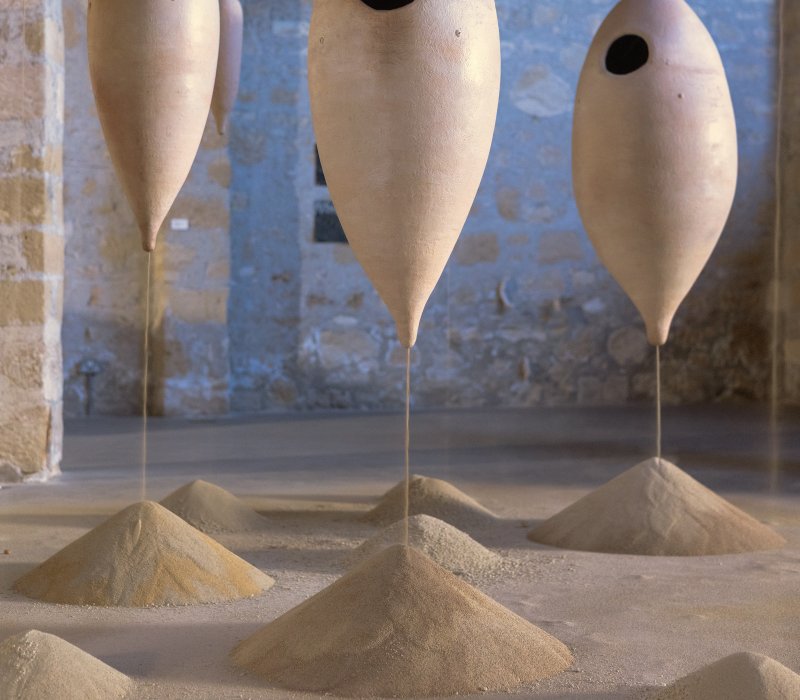
My most major career highlight to date was winning the Grand Prix at the Larnaca Biennale 2025. Curated by Sana López Abellán under the theme Along Lines and Traces, the Biennale brought together artists from 43 countries across Cyprus. The award felt like a significant point of convergence within the practice, where the material, conceptual, environmental and participatory dimensions of the work fully aligned within the right curatorial and architectural context.
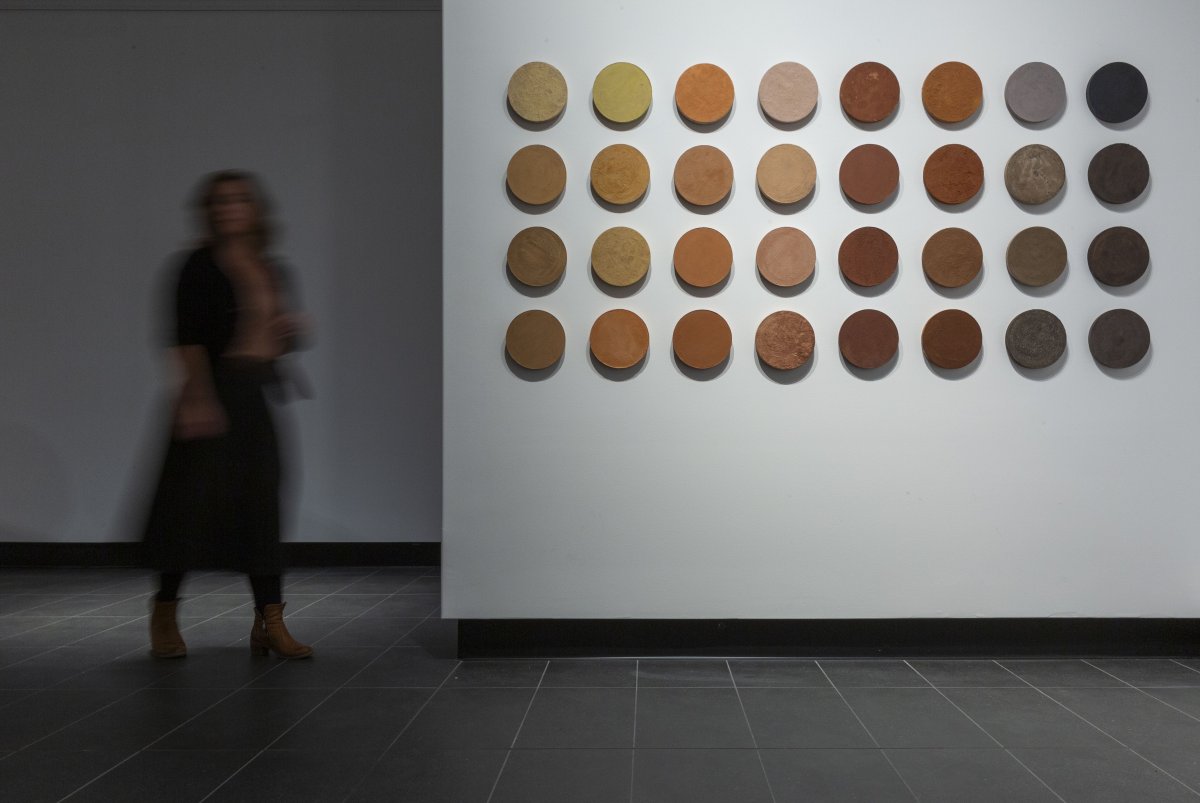
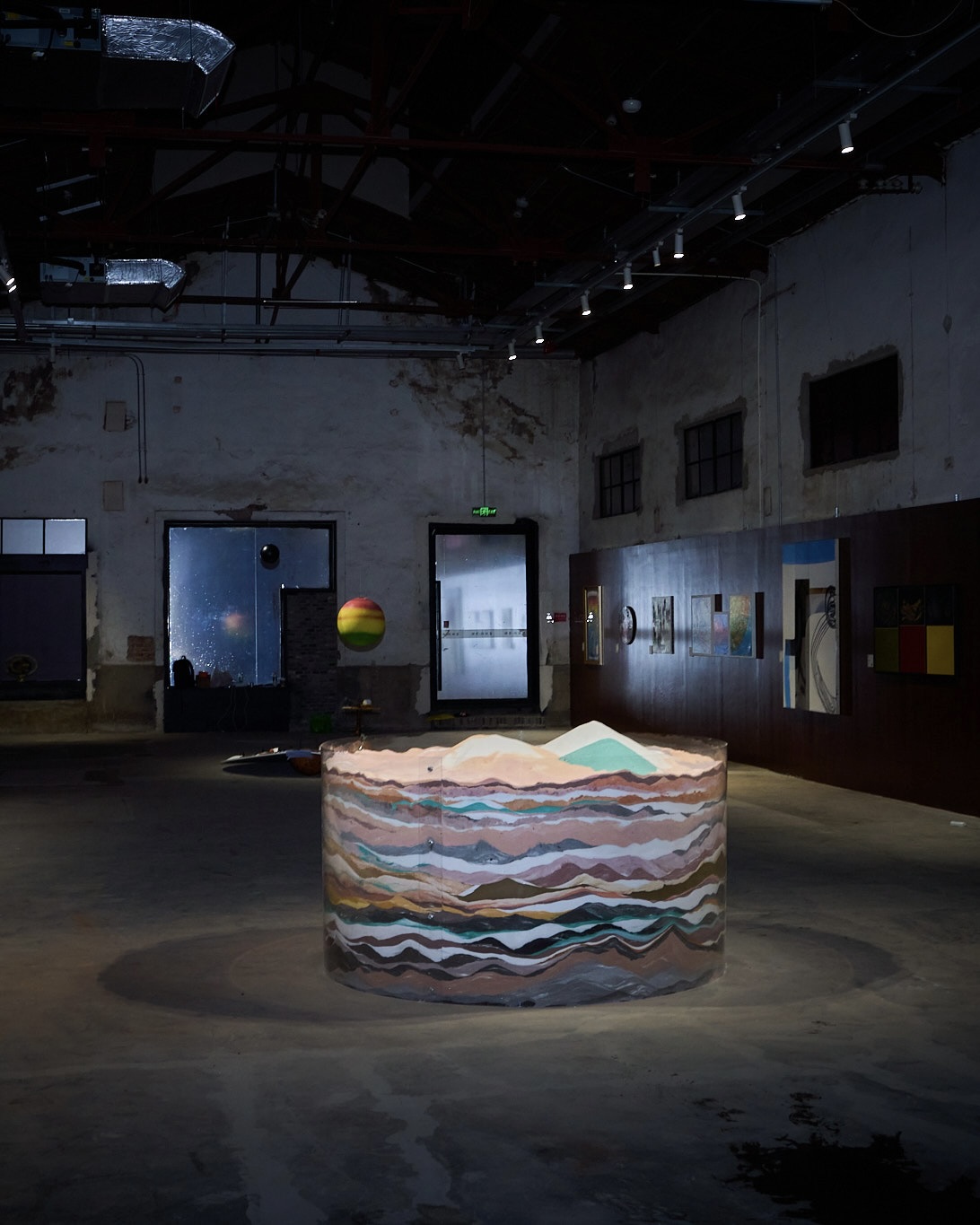
My installation CO-Lapses, presented within the historic limestone warehouse Apothiki 79, was recognised by the jury for its conceptual and environmental depth, material sensitivity and responsiveness to site. Using 31 locally sourced Cypriot pigments and limestone sands, the work slowly evolved through accumulation, erosion and sedimentation, functioning as a living durational system rather than a static installation. Sana López Abellán described the work as embodying “resonance, rhythm and return” rather than linear time.
What felt particularly important was that, during the same period, two major iterations of CO-Lapses were unfolding simultaneously across different international contexts. While the Cyprus installation responded directly to the limestone architecture and environmental histories of Larnaca, another large-scale iteration was being developed through the Arte Laguna Prize Shanghai Edition, marking the first Asian presentation of the Venice-based prize. Experiencing the work evolve across such distinct cultural and architectural environments reinforced the adaptability and international relevance of the practice.
Most recently, working in China has been an extraordinary experience. Engaging with entirely different cultural and environmental contexts has expanded my understanding of audience, exchange and the role of contemporary installation practice internationally. I’ve found audiences there incredibly engaged in dialogue and immersive experience.
For creatives working from regional or place-based contexts, what advice would you offer about developing an international practice while remaining grounded in process, place and community?
I think one of the biggest misconceptions is that being regional is a disadvantage. In many ways, having a strong connection to place can become one of the most distinct and powerful aspects of a practice internationally.
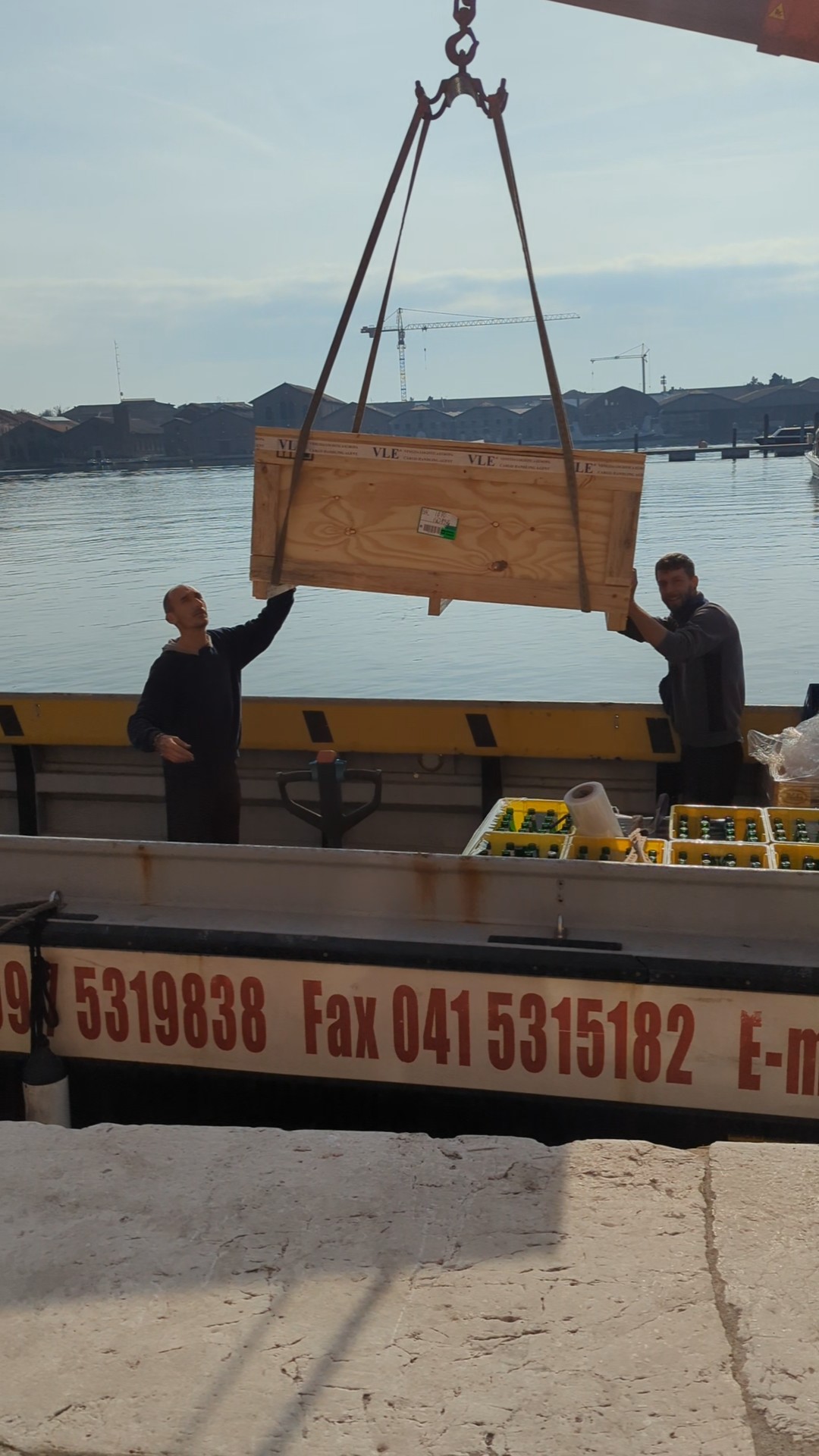
Practically, I would strongly encourage artists to think about scalability and mobility early in the process. Make work that can travel. Think modularly. Think about freight before you build something impossible to move. Consider how a project might adapt across different contexts without losing conceptual integrity.
Site-responsive work has been incredibly important for me because it allows projects to evolve within different environments while still remaining grounded in place. Rather than transporting fixed outcomes, I’m often transporting systems and methodologies that can adapt to local architectures, histories and conditions.
I also think it’s important to remain open to the fact that conversations around contemporary art differ enormously across countries and regions. Work that may sit in one context can resonate very differently in another. International environments can sometimes create unexpected relationships to a work and offer different forms of openness towards works. Don’t assume the limitations of your immediate context are universal.
At the same time, long-term practice is built through consistency and discipline. Keep making. Keep testing ideas. Keep your media and documentation current. Build relationships gradually through genuine dialogue with other artists, curators and communities around the work. International practice rarely happens quickly; it develops over time through sustained engagement, visibility and trust.
Most importantly, don’t wait for permission. Artists from regional contexts can absolutely operate nationally and internationally.
I think one of the biggest misconceptions is that being regional is a disadvantage. In many ways, having a strong connection to place can become one of the most distinct and powerful aspects of a practice internationally.
On 25 June, you’ll be facilitating a Practice 101 workshop with Arts Northern Rivers. What will you be focusing on in that session, and what can participants expect to take away from it?
The workshop is called Building a Scalable Practice and focuses on supporting artists who are ready to expand the scale, reach and sustainability of their work.
The session draws directly from my experiences working across biennales, touring exhibitions and large-scale installation projects. We’ll look at practical strategies for thinking bigger, positioning work for broader opportunities and consider building adaptable systems that allow projects to move across contexts.
We’ll discuss modular thinking, logistics, documentation and the realities of touring independently, alongside ways of building sustainability and flexibility into practice from the beginning.
Another major focus is communication. Being able to articulate your practice clearly and concisely is incredibly important. Participants will develop short-form artist pitches and workshop project ideas through discussion and peer feedback.
The workshop also emphasises maintaining momentum and discipline within practice – continuing to make, think and prepare your work so opportunities can be responded to when they arise.
Ultimately, I’m hoping it becomes a practical and encouraging space where artists gain tools, confidence and stronger connections with other creatives across the Northern Rivers and vision their work across variant terrains.
Looking ahead, what are you currently working on, and what’s next for your practice?
At the moment there’s a lot unfolding simultaneously. I’m continuing to develop new iterations of CO-Lapses for upcoming international presentations, including projects connected to Shanghai and the OSTEN Biennale of Drawing in Skopje, North Macedonia, where I am currently invited following the Grand Prix award at the Larnaca Biennale 2025. There are also several upcoming projects in China currently in development that will be announced soon.
Alongside this, I’m continuing my involvement with Third Paradise projects internationally as an ambassador for the initiative.
One of the most exciting developments currently unfolding is a new series exploring suspended environments, atmospheric systems and material permeability. The work is moving into a lighter and more spatially responsive direction within the practice. I’m currently developing aspects of the framework in dialogue with curator Sana López Abellán in relation to future projects and exhibitions in development.
Another major focus is producing a catalogue publication reflecting on the last seven years of my practice across installation, expanded painting and participatory works. The process has become a way of tracing how the work has evolved across different geographies, exhibitions and conceptual frameworks while identifying the conceptual threads that continue connecting the projects together.
JOIN THE WORKSHOP:
Practice 101: Building a Scalable Practice
Friday 26 June 2026, 11am | Murwillumbah
Register here