20 January 2026

What first motivated you to pursue a creative path, and what continues to inspire you today?
Since a young age, I’ve always found comfort in expressing myself creatively and attached myself to people or things that weren’t necessarily the typical choice. I probably found more safety in my high school art room, reading magazines, skateboarding, surfing and learning about exotic subcultures overseas. You could say I definitely enjoyed punk music’s rebellious ‘against the establishment’ vibe but techno and house music was the appetite at the time.
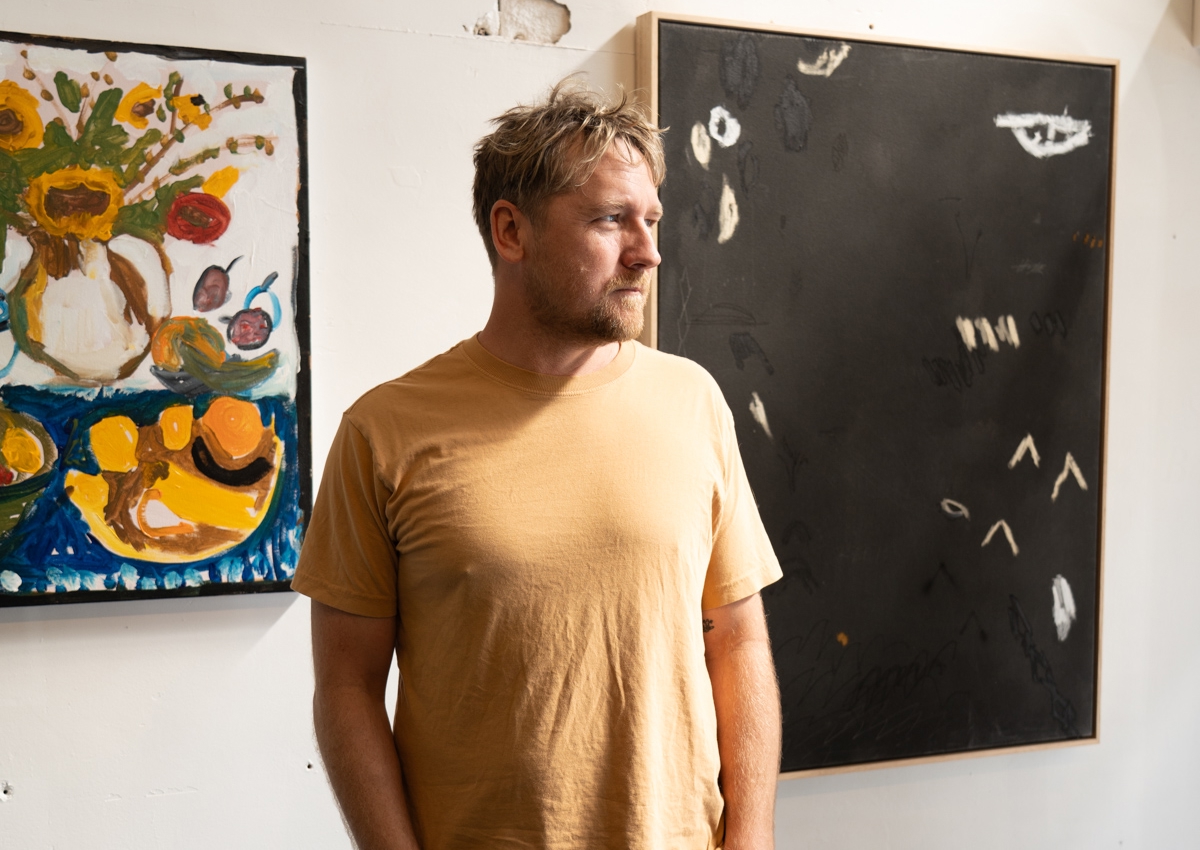
I decided early in my life that I wanted to be one of these people I admired, or work for them. So I chose the Art Life, having left school and studied at the Queensland College of Art on the Gold Coast. I was lucky to have great teachers (Donna Marcus and Bruce Reynolds) who gave us plenty of time and wisdom.
My experience of the artworld has changed a lot over the years and I have different motives now than I did back then. I’ve spent time working across many different roles in the arts, and I’m a lot older now with three young children who I think now admire the random projects. I’m beginning to understand how things go full circle. I’m becoming more inspired about creating things for them to enjoy and not just as much for myself. In turn, it’s changed my art practice and motives, but I’ve found new things along the way.
So inspiration today comes in many ways, shapes and forms, but usually the best stuff comes from analogical ideas and play.
I think it’s important to learn the rules but just as important to unlearn them as you get older.
What mediums or methods do you enjoy working with most?
I’m a very conceptually based artist that has too many ideas and not enough time. I’ve toned down my ideas and become more about helping other artists succeed rather than my own ambitions. I have always called myself an ‘Artists’ Artist’, someone who works behind the scenes and helps elevate the artist while basically taking care of the stuff they prefer not to do and don’t know how to.
The role of the artist has changed a lot and there’s so much pressure on the individual to perform and produce over and over. In many ways, my medium is the artists themselves. I enjoy the early stages, the process of making the work and installation. Having worked in galleries and museums over the years, I notice the difference between an idea and how that idea is delivered to the audience.
Perfection is definitely not the motive, but finding perfection in the imperfections is often greater. I think it’s important to learn the rules but just as important to unlearn them and create your own as you get older.
All these things make me believe that being an artist and working with artists is essentially the same job, the same journey. The brand gets the glory, but the people behind the scenes still get paid for something they love doing. Art is a collective effort.
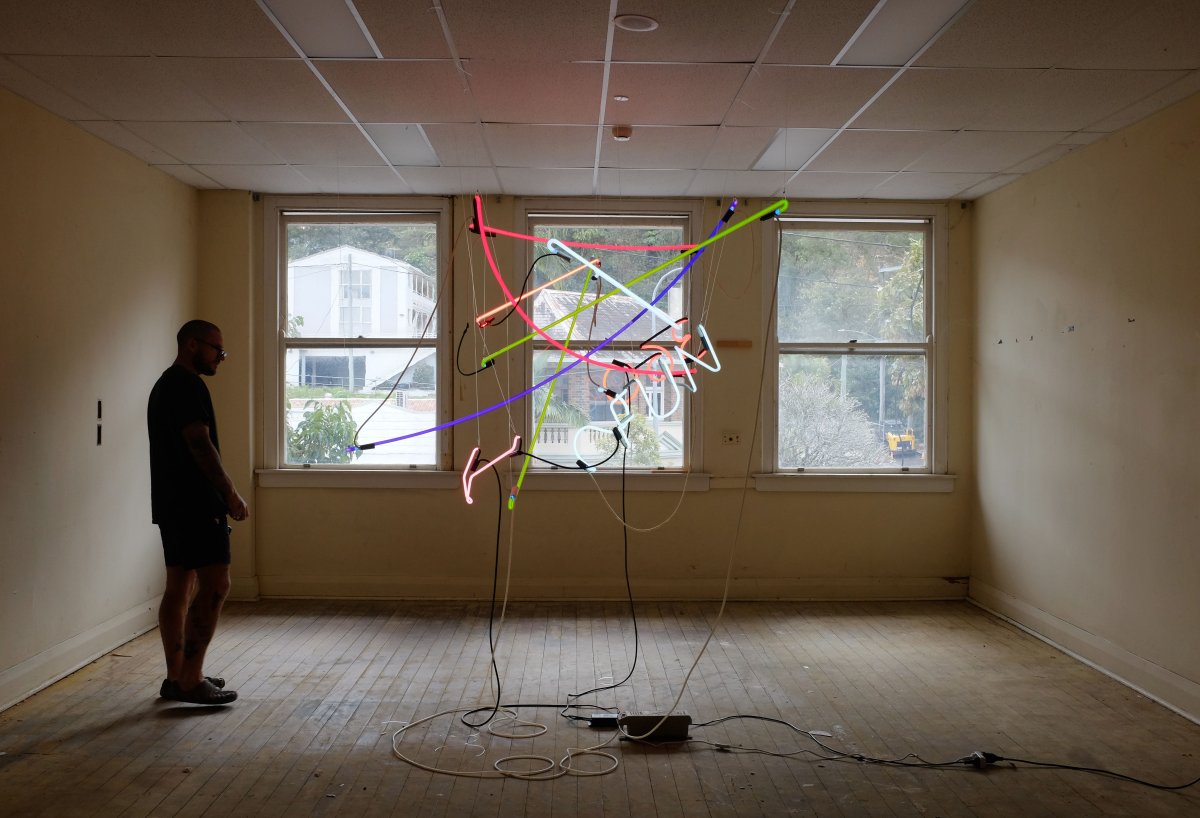
Being an artist and working with artists is essentially the same job, the same journey. Art is a collective effort.
How does living and working in the Northern Rivers shape your practice and your approach to art-making?
I grew up in Brisbane and moved to a town on the border of QLD and NSW at the start of my artistic career path. I’ve never really left here besides some travel overseas and a three-year stint in Melbourne. Moving away was healthy for my growth, but it never took too long for me to become homesick and move back here. Over the years I have seen this area grow and mature, becoming a drawcard for people seeking a creative life. The Tweed Shire has been my home for some time now. Having experienced the two major floods and a catastrophic bushfire has affirmed my respect for the surrounding landscape and our duty of care for respecting it. There are not many places like the Northern Rivers left and if it draws this many artists to the region then it must be pretty bloody special.
Living and working from a regional town (Murwillumbah) has been creatively inspiring as country townships begin to see change and families migrate west. Over the next decade our region will likely experience greater urban growth and with this, it is up to councils to seek new and meaningful ways to excite the community and entice shared ownership.
Artists have an even greater opportunity to help shape this change. For artists like myself, it is just a matter of how, why, who and when. Start planning and chip away at ideas. They don’t have to have fast outcomes. Most of my projects take 1 to 3 years to fully be realised and it is often with a lot of connections and discussions along the way.
Looking back, what have been some of the big turning points in your career?
I’m proud to say there have been many big turning points for my practice over the years and I’ve always sought to find my own pathway to achieving them. I continue to have 3 to 4 different roles in my art practice and I still find it hard to give a clear description to others of what I do.
Although I spend time collaborating with artists on their projects, I still call myself an artist first and foremost. It’s what I studied and continue to see myself as. There are usually not a lot of opportunities for artists and it’s very competitive to be awarded for your ideas.
I have a number of projects that miss the mark or I don’t communicate them clearly enough for others to see the value. But there is one thing, I would encourage other artists to DIY. It doesn’t have to be perfect, it just has to be a small step towards something bigger. And yes, it can take time, so be patient.
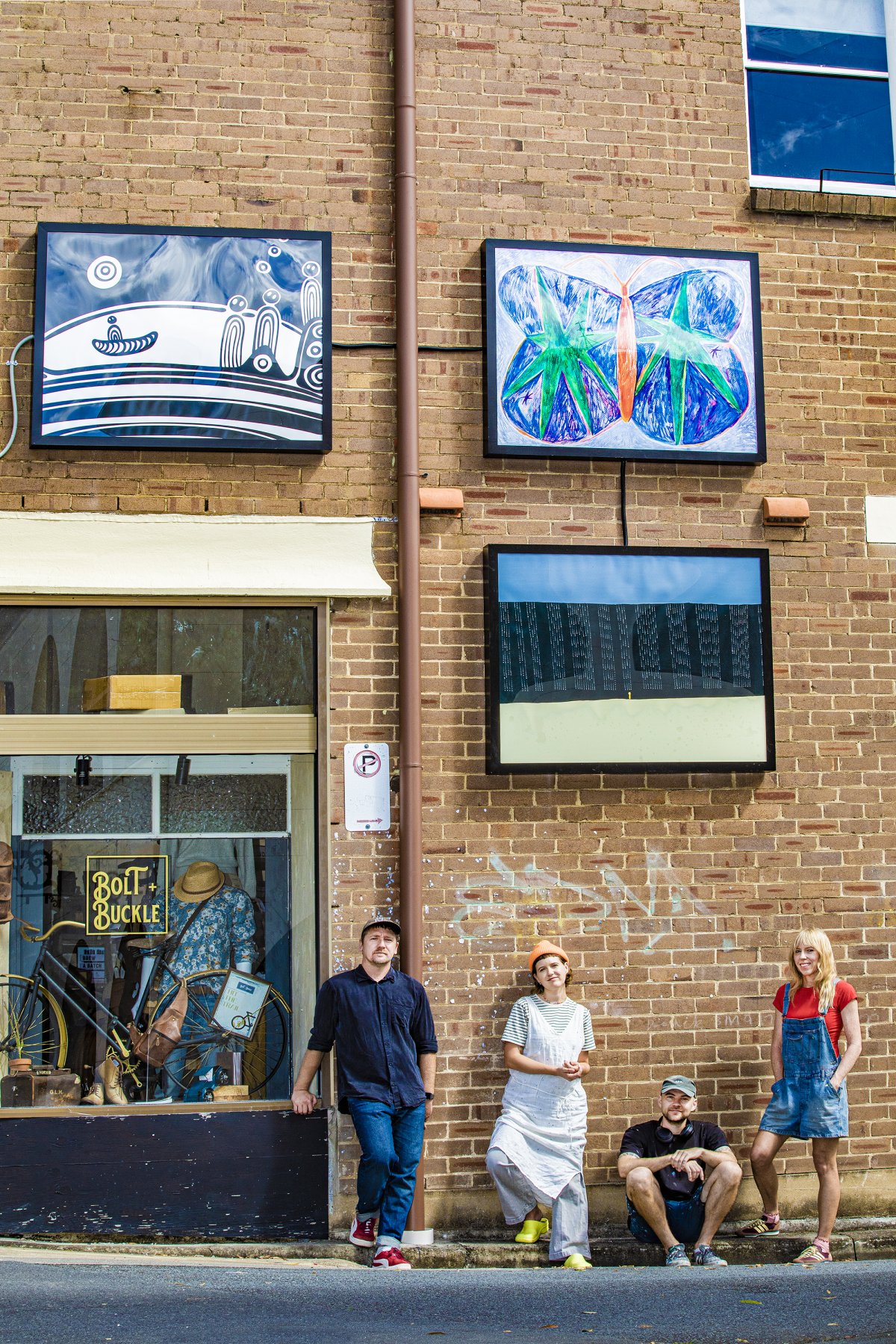
Over the next decade our region will likely experience greater urban growth. Artists have an important opportunity to help shape this change.
Supporting other artists seems central to your practice. How do you approach helping artists realise large-scale projects?
I really enjoy working with artists and helping to make their ideas real. Understanding creative mindsets and what it takes to bring their ideas to presentation can take a lot of energy. I can often see the value in the artist’s work and if I really believe in something or someone, I will usually go to my utmost to help them. In return, I think it’s also beneficial to me because I’m advocating for my friends and artists I love. The process comes naturally to me. Honesty is really important from the start. If something is good or bad, you’re going to hear it first.
Helping artists realise ambitious, outdoor and large-scale work is definitely my drive now. I’m particularly interested in the outdoors, a place where I think our culture and audience spends most of their time. If you want to capture more people and have them connect with art, I think this is a new way of art coexisting with the masses. I’m very interested in that dynamic; how art might integrate with life, unexpectedness and how bigger partnerships with city planning and designers might begin to exist.
By all means, art should be available to everyone.
Community and collaboration recur in your work. Why are they important to you and the broader sector?
Some of my most memorable projects have been collaborative efforts with others. They often have the most meaning and relevance to a broader audience to enjoy and I like dealing with ideas that connect with everyone on a large scale.
Strong community spirit is key to happiness in regional towns particularly. That’s where a lot of my drive has been lately, working with what’s already here. Often the biggest attributes of a town already exist. It is just over time they have become hidden or forgotten. By placing artists in the mix, there is opportunity to redesign how people connect and collaborate. We just need the right people to start listening and be prepared to take a chance on artists.
My recent involvement with a landowner and artists here in Murwillumbah allowed for a small artist community to flourish. This led to artists meeting, collaborating and sharing in the experience. The buzz and general positive vibe gave the artists a feeling of connection and ownership. Community is less about isolating yourself and more about sharing and connecting with an open mind.
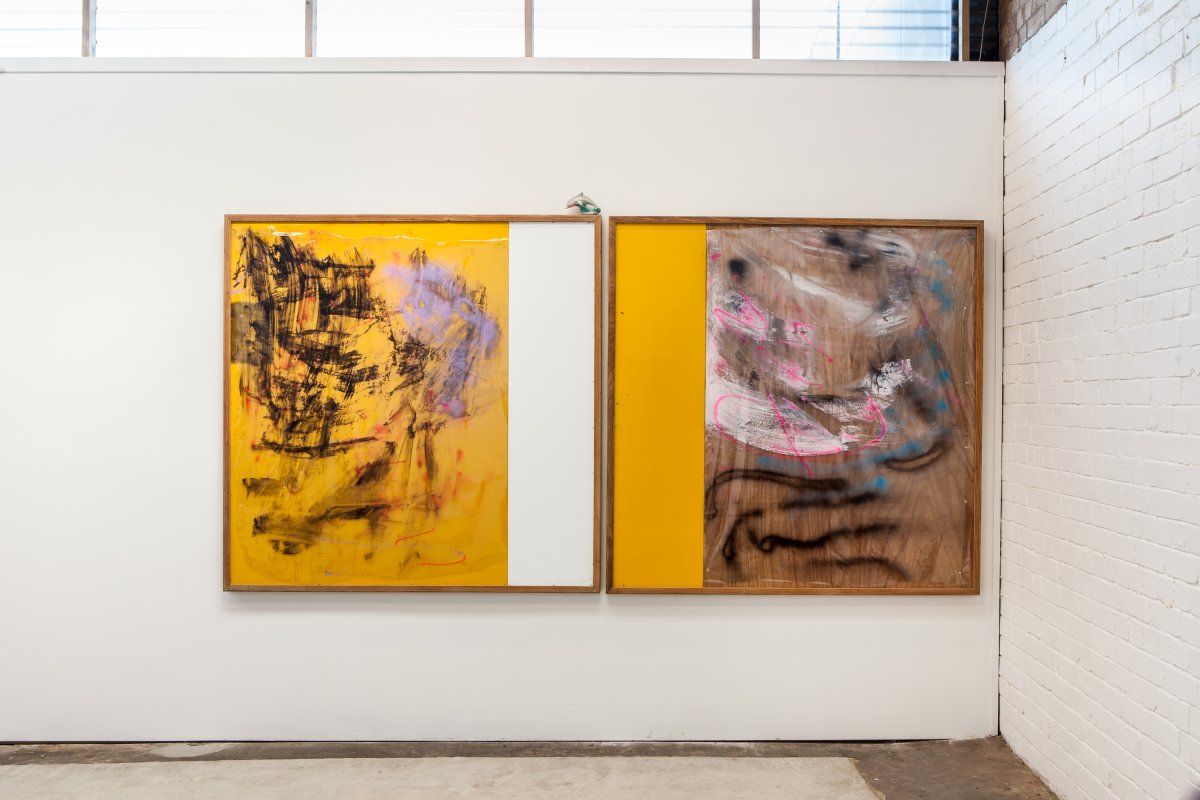
Strong community spirit is key to happiness in regional towns. By placing artists in the mix, there is an opportunity to redesign how people connect and collaborate.
Can you tell us more about Creative Caldera, its mission, and the kinds of projects you are currently involved with there?
Late in 2024 I joined NFP arts organisation Creative Caldera Inc as the Treasurer and Public Officer. The committee and organisation were looking to dissolve and with that, a long-standing arts festival called Murwillumbah Arts Trail (MAT) was going to be cancelled. As a local of Murwillumbah and Tweed Shire for some time, my experience of MAT was always enjoyable, seeing the sprawl of art taking over the town. After almost 10 years of MAT, it seemed there needed to be a new vision and refresh, after all, the world has changed and regional towns are changing with great speed. With all the new committee members and their experiences, we sat down and said, let’s rethink, rebrand and develop a new festival.
Currently Creative Caldera is developing LAVA, a new arts festival debuting in June 2026. The switch has been flicked and we are off. Currently running an Artist EOI until February 1st, this festival aims to commission local artists and encourage artists to explore new work. The festival is partly funded by the local Tweed Shire Council and the EOI is project funded by a Regional Arts NSW grant. We have worked really hard to achieve this and the arts community has been so excited to see it come to life.
You don’t have to sell art to earn a living from art.
Your curatorial work, including your role at Art-Public, often takes projects outside traditional gallery walls. How do you approach curating and what do you hope audiences take away from these site-specific experiences?
As I mentioned, I play a lot of different roles. Some of these include practicing artist, graphic designer, art installer, father to three children, husband and home renovator. You should see my Google calendar! It is all part of the Art Life.
My daily juggle is a lot, but I have been working in delivering public art projects for about four years now. My experience came mostly from having worked on my own projects in the past, but now I feel really comfortable in this area. There is a lot to think through, and I have become a theoretical thinker as I get older. The process of what needs to happen before something can happen has become a big part of my focus, and fabrication in particular is such an interesting process. I get absorbed in these projects for quite some time and really like the collaboration between different personalities, especially people who might not initially have an interest in art but often become even more absorbed in these projects than myself. It is just a really enjoyable job. I see myself continuing in this field, with hopes to begin work on my own projects again perhaps.
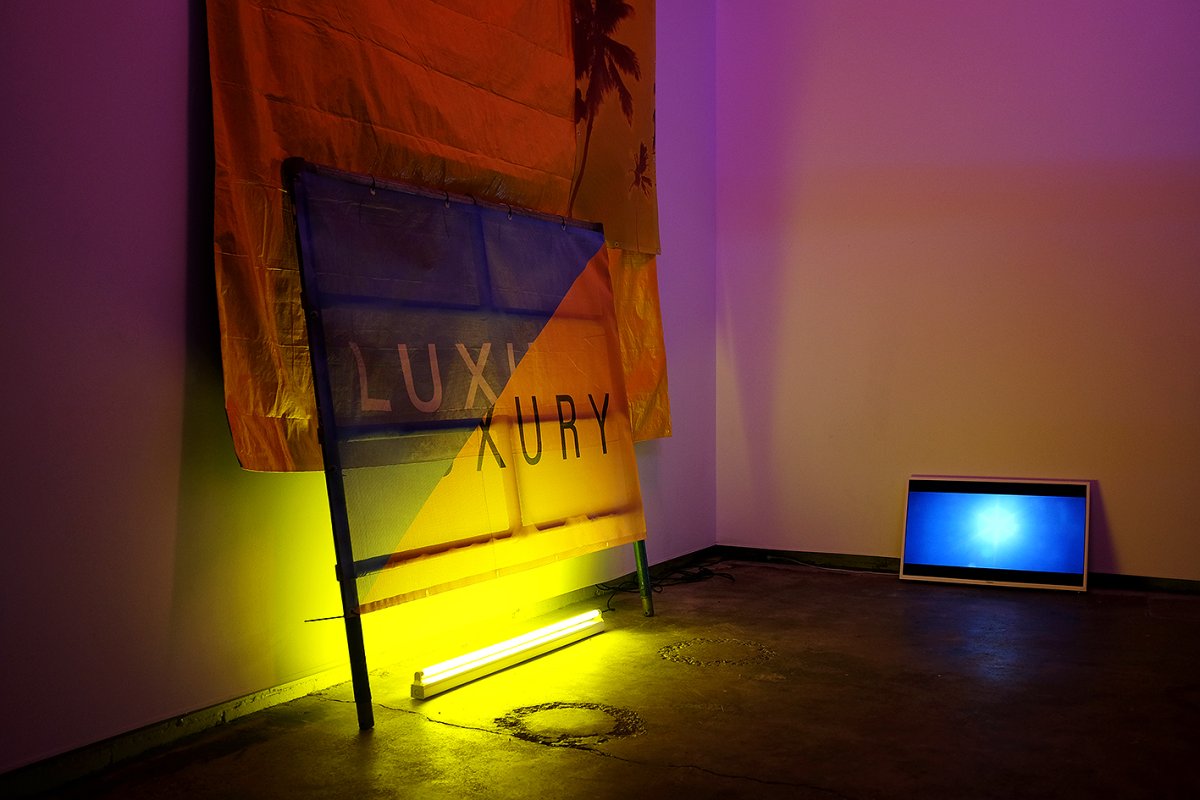
Public art can be very strict and with a lot of rules to follow. I am interested to see how this unfolds and how festivals might explore temporal experiences in response to our changing landscape. Art in the great outdoors feels like a very suitable place for Australian culture.
What are you working on at the moment, and what’s next for you?
I am working on a few public art projects with Art-Public. I am looking to February as a really busy time for Creative Caldera as we wrap up the LAVA EOI and begin to build a festival program. We want to have this ready for launch in May 2026.
I am also looking forward to working on my personal art practice this year and will be part of a group show in Sydney later this month.
Finally, what advice would you give to young creatives trying to find their own path in the arts today?
Persist. Stick to it. Apply art as your trade. You are worthy. Ask questions. Use a calendar. Set goals. Take your time. Art is a long journey. You don’t have to sell art to earn a living from art.
LAVA Arts Festival – Artist EOI
LAVA invites artists, collectives, performers, and creatives with a connection to Tweed Shire to be part of their pilot festival in June 2026. Submit your application before the deadline on February 1st.
[Click here for more info & to apply]
Creative Caldera
Not-for-profit org dedicated to supporting and promoting the arts in the local and surrounding regional communities of the Tweed Shire, NSW.
[Visit website]
WALLBANGER (Sydney Group Exhibition)
Wallbanger is a multi-faced, cross-culture melting acid pot, showcasing the best of radical art practice. Connect through visual arts and poetic words.
Space Ideation Projects, Sydney | 30 Jan – 22 Feb